

Walk-in Baths & Showers: Safe Bathing Solutions
Maintaining independence in the bathroom is one of the most important factors in staying safe and comfortable in your own home. Whether you are looking for walk-in showers for the elderly, a deep-soak walk-in bath, or a complete wet room installation, choosing the right solution requires careful consideration. Here is a guide to the key features and options available when comparing accessible bathing aids and mobility bathrooms.
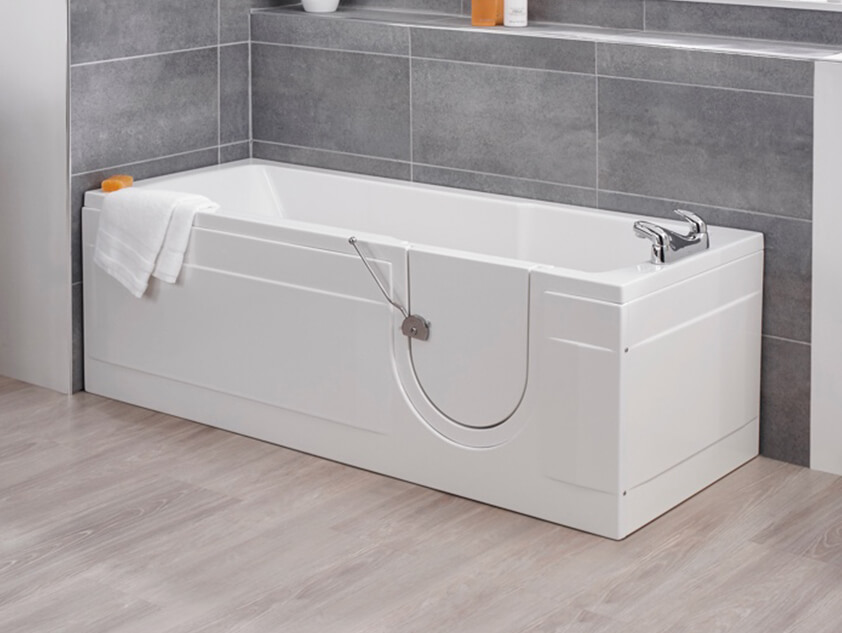
1.Walk-in Baths: Comfort & Relaxation
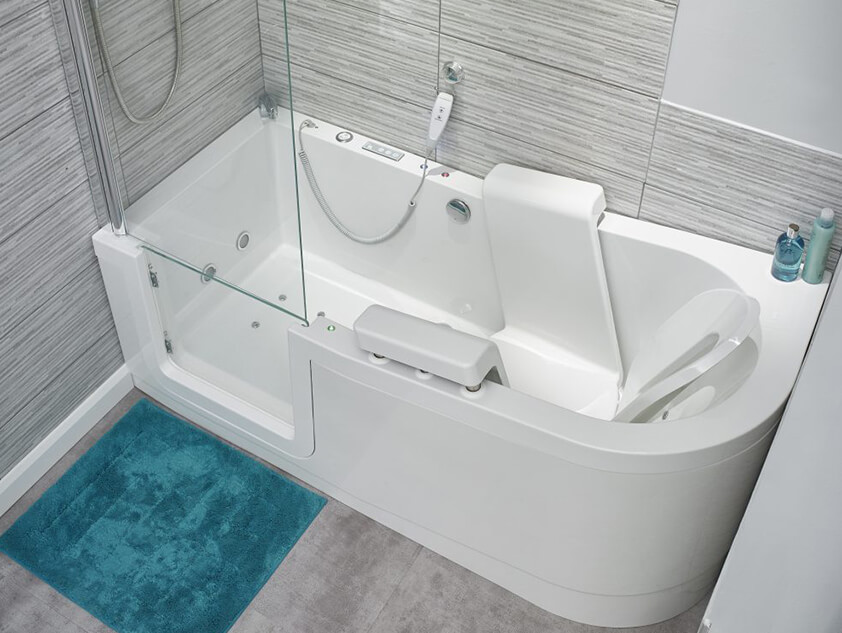
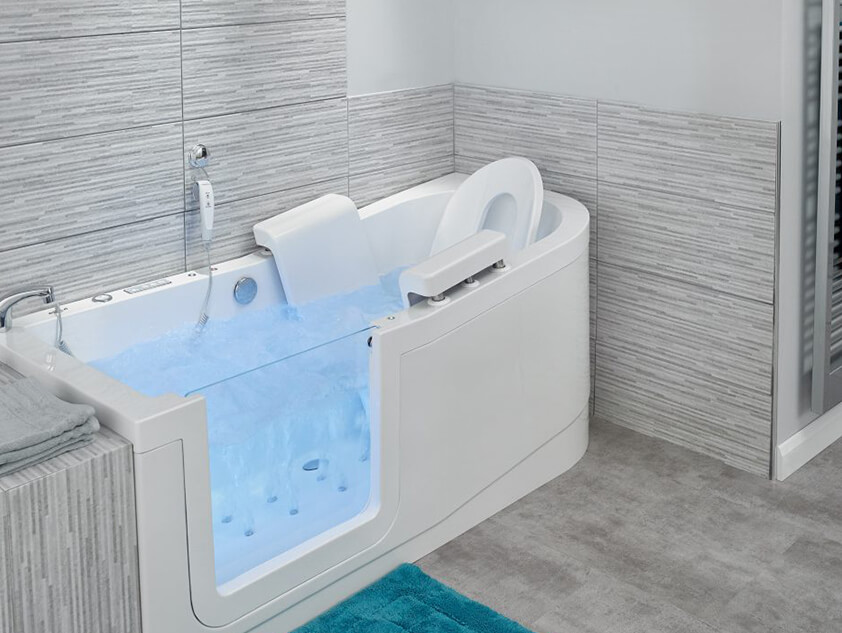
If you prefer a soak to a shower, a walk-in bath is the ideal solution for deep relaxation and hydrotherapy. However, unlike a traditional bath, you must be inside the tub before you fill it, and remain inside until it drains.
Look for models with "fast-fill" taps and pumped waste systems (often called twin waste pumps). These features significantly reduce waiting time, ensuring you don't get cold while waiting for the bath to empty.
Many modern options include heated seats to keep you warm while the water drains. The door is the defining feature of any accessible bath, and the direction it opens matters:
These are the most common and space-saving designs. The pressure of the water helps seal the door tight, minimising leak risks.
These provide easier access for wheelchair users or those transferring from a lift. They also allow for a quicker exit in an emergency, as you don't need to wait for the water to drain completely to open the door. For those who want immediate access without waiting for water to fill, a walk-in shower is often the preferred choice.
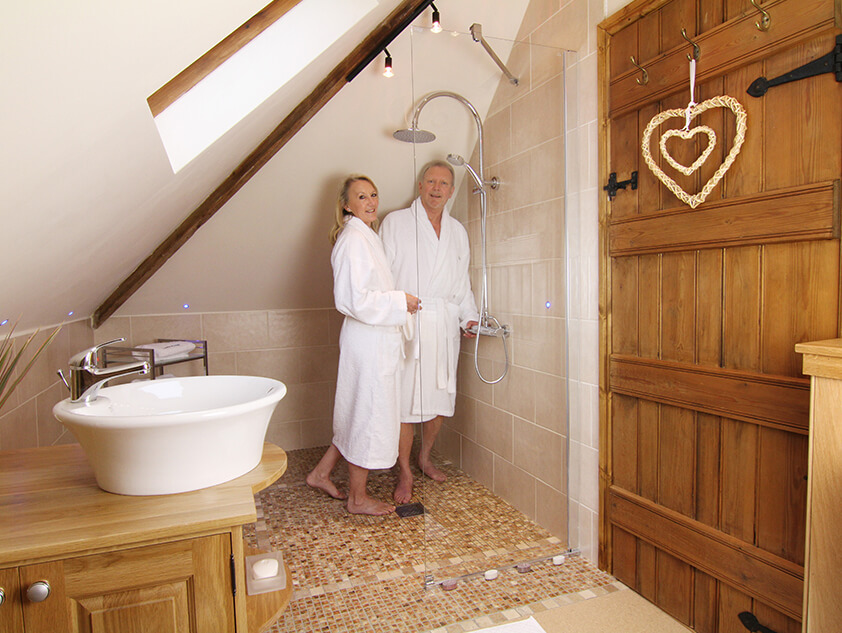
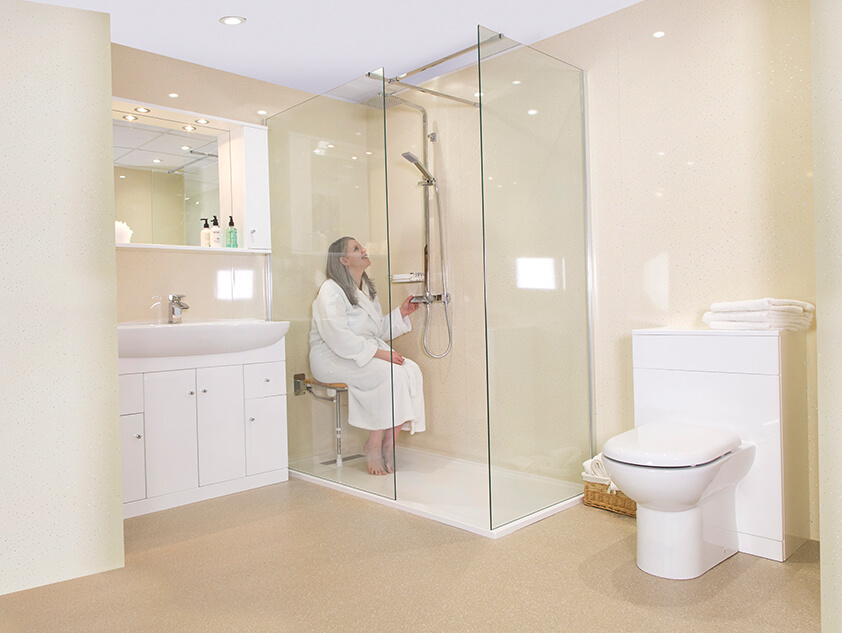
These accessible shower trays minimise the step height (often less than 40mm), significantly reducing trip hazards compared to a standard enclosure.
A fully waterproofed room with a drain set directly into the floor removes the need for a tray entirely, offering completely level access that is ideal for wheelchair users. Ensure your shower has thermostatic controls to prevent sudden temperature changes and scalding—a standard safety feature in quality mobility bathrooms. Every bathroom is different. Before making a purchase, we strongly advise having a technical surveyor assess your home. They will check:
To ensure fast fill times are achievable.
To ensure twin pumps or level-access showers can be installed correctly. To recommend the right size and orientation for your new bath or shower. Navigating the range of safety features—from grab rails and slip-resistant flooring to hydrotherapy options—can be overwhelming.
Mobility Compare helps you compare the UK’s leading bathing providers to find a solution that fits your specific needs, your home’s plumbing, and your budget.
Having disabilities shouldn't get in the way of enjoying a nice bath. To ensure using a bath is e... If you have difficulty moving, a walk-in bath could be the right solution for you. Even if you pr... Rather than a walk-in bath and shower, you may decide a bath lift is the solution for your bathin... There are a range of showers and walk in baths from Bath Knight that can suit you if you have mob... It may be that even if you have difficulty getting in and out of the tub, you do not need a walk ... Is the rigour of old age making it difficult for you to enjoy a bath? Are you concerned about the...2.Door Design & Safety
3.Walk-in Showers: Level Access Bathing
4.Installation & Surveying
Disabled Baths
Walk In Bath And Showers
Bath Lifts
Bath Knight Walk In Showers
Disabled Bath Aids
Bathroom Aids For The Elderly